CCLA publishes its 2026 global benchmark on workplace mental health. A multiple award-winning initiative led by CCLA, the benchmark assesses how over 100 of the world’s largest listed companies manage and report on workplace mental health.
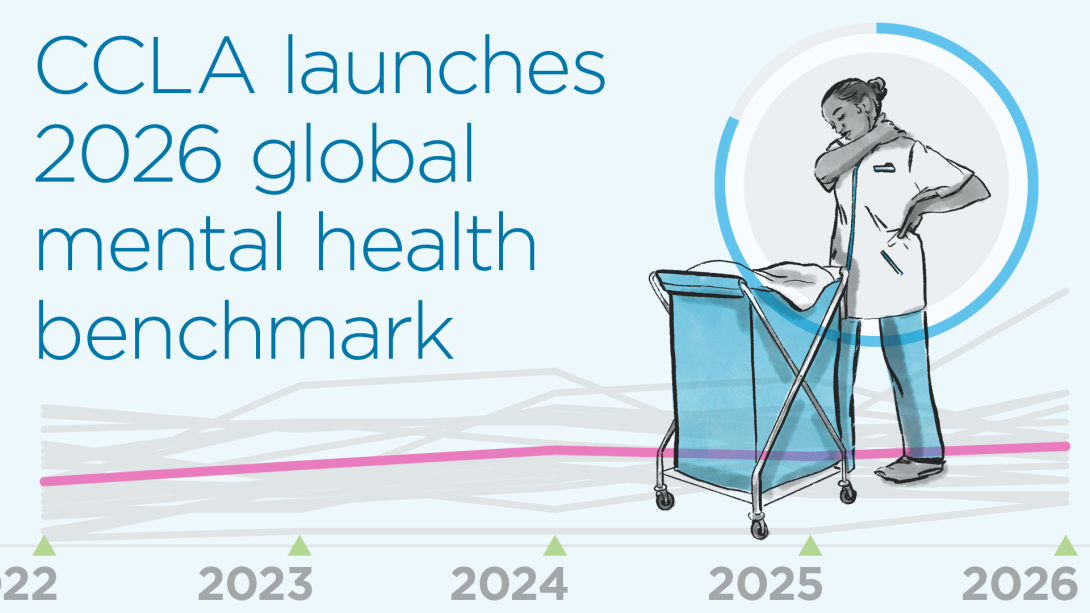

CCLA publishes its 2026 global benchmark on workplace mental health. A multiple award-winning initiative led by CCLA, the benchmark assesses how over 100 of the world’s largest listed companies manage and report on workplace mental health.
September witnessed a fall in share prices as central banks raised interest rates. The risk remains that interest rates will rise too much and too fast for investors with large allocations. Bond yields in the US continued to rise, most likely due to AI boosting investors’ expectations of long-term GDP growth.

Designed for trustees, investment committees, bursars, finance directors and chief executives.
Share prices were strong again in August. And, after several years of share price gains being concentrated in just a few shares, our funds are now benefiting from this number widening. We have also put in place several non-bond diversifiers to help with the risks of inflation and rising bond yields.

Join us as we present the key findings from the 2026 benchmark, explore trends observed over the past five years, and hear reflections from company representatives on the role of workplace mental health in long-term business success.
Sterling money market fund management has become more challenging as geopolitical tensions, inflation risks and uncertain interest rate expectations make it difficult to navigate. CCLA expects UK rates to stay higher for longer, but not rise further, with the next move more likely to be down in 2027. During periods of uncertainty, we look at why active management matters.